مواعيد العملمغلق
|الأربعاء, أغسطس 19, 2026روما، إيطاليا – فيا أبّيا أنتيكا، منطقة أردياتينا وشبكة الآثار المسيحية الأوسع
العودة إلى travel
guides
San Callixtus Catacombs Guide - Crypt of the Popes, Tickets, Tips
Plan a meaningful San Callixtus visit with rich historical context, route strategy, and practical on-site guidance.
8/18/2026
19 min read
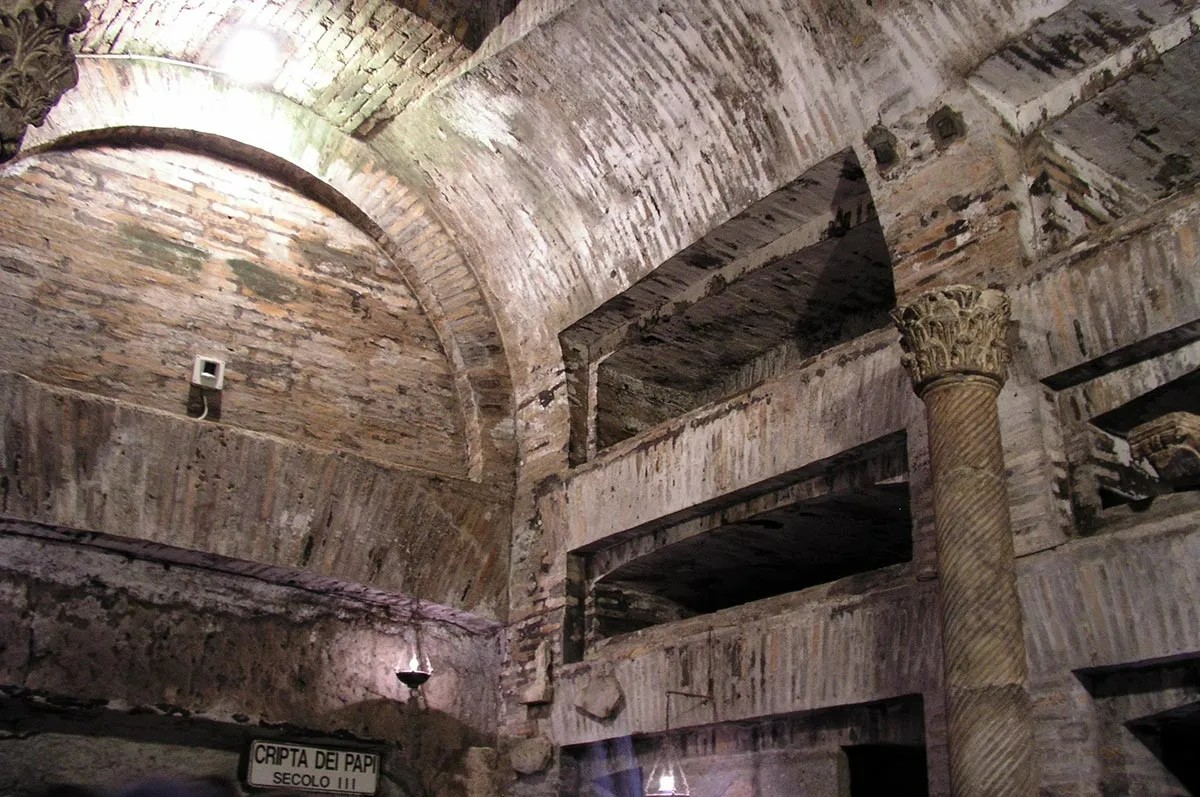
San Callixtus is not simply one more underground site in Rome; it is a structural chapter in the history of early Christian memory, leadership, and ritual belonging.
The best way to approach the site
Think in concentric layers:
- Movement layer (corridors, stairs, thresholds)
- Community layer (family burials, shared memory)
- Institutional layer (figures associated with church leadership)
Route that balances depth and energy
| Segment | Duration | What to focus on |
|---|---|---|
| Entry orientation | 10-15 min | Geography + chronology |
| Main galleries | 20-25 min | Loculi system logic |
| Crypt of the Popes | 15-20 min | Titles, memory, authority |
| Context exit | 15 min | Link to Appian landscape |
Interpretive anchors to listen for
- Why specific spaces became devotional references.
- How inscription language evolved over generations.
- What changes after Christianity moves toward legal acceptance.
The power of San Callixtus is cumulative. Meaning builds chamber by chamber.
What makes the Crypt of the Popes so central?
- It concentrates names, office, and historical continuity.
- It demonstrates memory as a communal, not merely private, function.
- It turns a modest chamber into a symbolic anchor point.
Practical timing strategy
- Prefer early morning or late afternoon windows.
- Build a transport buffer; timed entries are less forgiving than city-center museums.
- Pair with a short outdoor Appian segment to avoid interpretive fatigue.
Reflection prompts
- How does authority look when remembered underground rather than monumentalized above ground?
- What emotional effect does constrained space create compared to basilicas?
- Which details felt "small" but historically large?
One high-value question for your guide
Can you identify one inscription detail that would be easy to miss but changes how we read this chamber historically?Final takeaway
San Callixtus teaches that history does not require spectacle. It requires structure, repetition, and preserved intention.
عن الكاتب

Rome Sacred History Desk
صُمم هذا الدليل لمساعدة الزائرين على الاقتراب من سراديب روما بثقة واحترام وفضول، عبر الجمع بين دعم التخطيط العملي والسياق التاريخي الغني لتكون التجربة هادئة وواضحة ولا تُنسى.
Tags
San Callixtus
Via Appia
Crypt of the Popes
Rome
Catacombs
Comments (0)
Leave a Comment
Loading comments...