A hidden city shaped by memory, devotion, and survival
Beneath Rome’s streets, the catacombs reveal a historical world where grief and hope were carved side by side into stone.
Table of Contents
How the Roman catacombs emerged
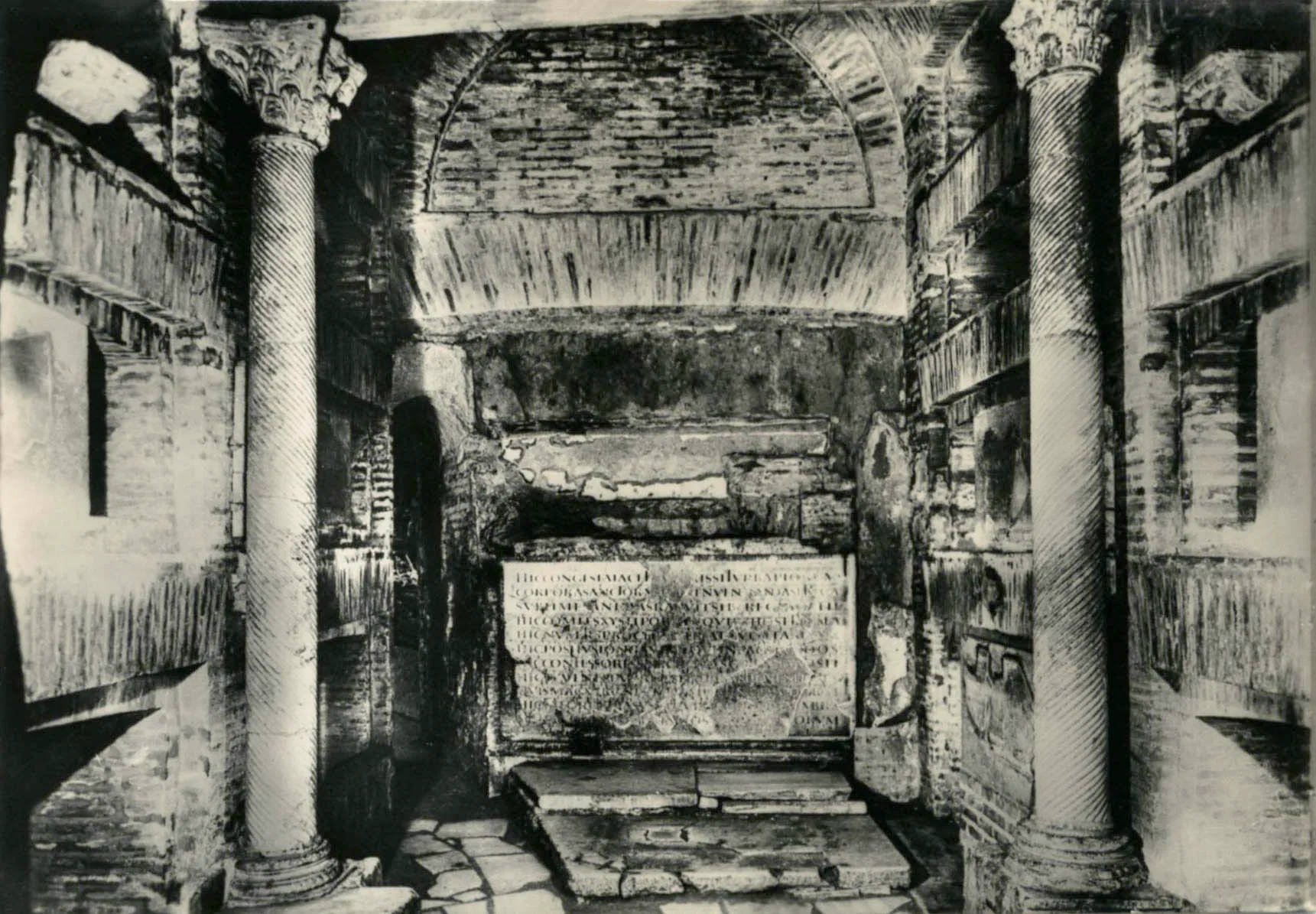
The Roman catacombs developed gradually between the 2nd and 5th centuries as communities sought organized, dignified burial spaces outside dense urban zones and beyond traditional pagan norms. Rather than a single dramatic founding moment, they grew through practical adaptation: soft tuff rock allowed excavation, family patronage supported expansion, and devotional needs shaped layout over time. What began as funerary infrastructure evolved into a sacred social landscape where memory, ritual, and belonging were carefully inscribed into underground architecture.
It is important to move beyond the simplistic image of catacombs as only secret hideouts. While periods of instability certainly influenced religious life, the catacombs were above all structured communal spaces tied to commemorative practice, identity formation, and pastoral continuity. In these corridors, names, symbols, and spatial hierarchies reveal how early Christians negotiated mortality and hope in a complex imperial world. Visiting today means entering not a legend, but an archive of lived experience that is both fragile and profoundly human.
Domitilla and the architecture of memory
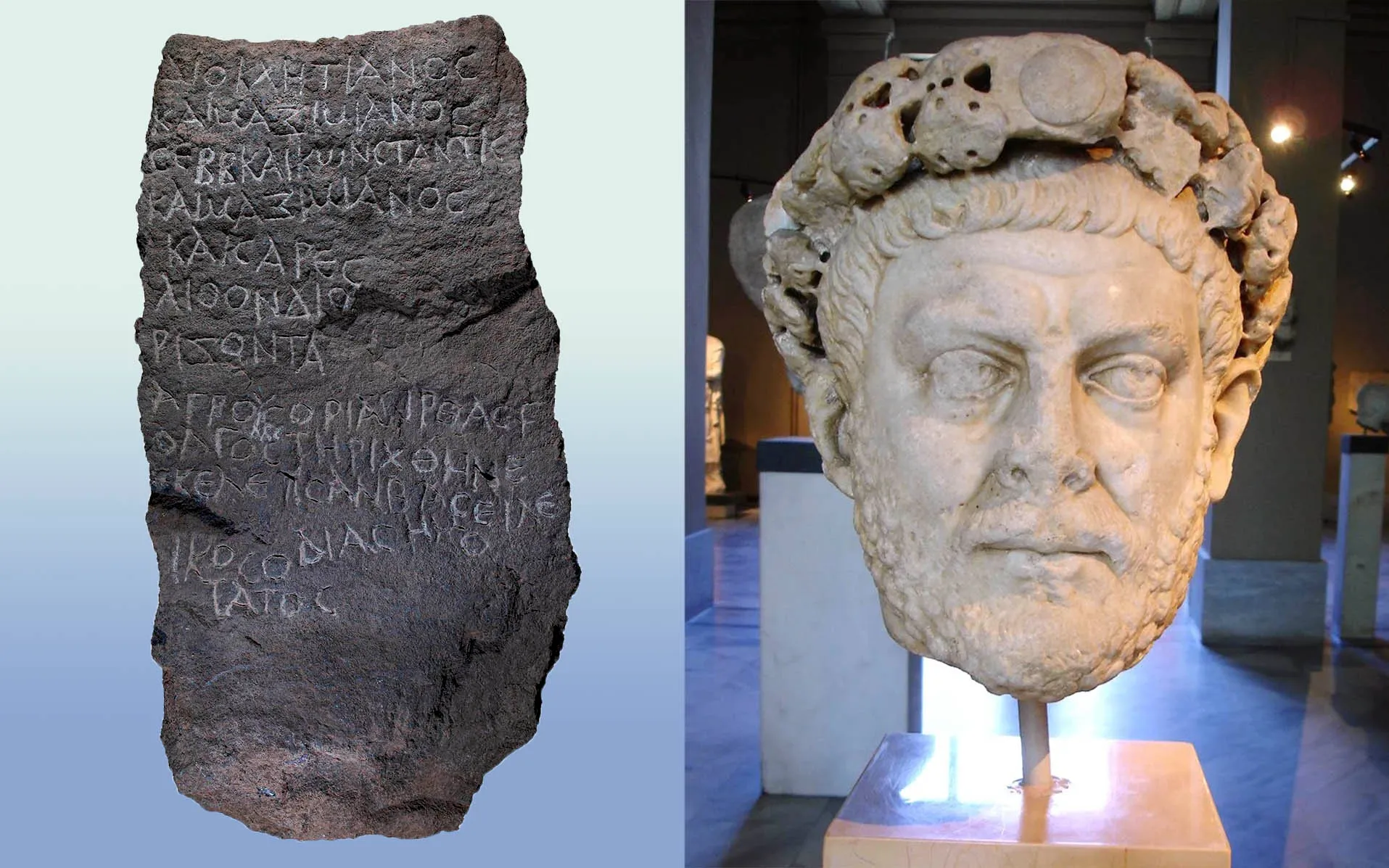
The Catacombs of Domitilla are often admired for scale, but their greatest value lies in how scale is organized. Corridors, chamber clusters, and commemorative zones suggest careful planning over generations, shaped by both practical burial needs and evolving devotional priorities. Here, architecture becomes theology in stone: movement through space mirrors movement through memory, guiding visitors from anonymity to intimacy, from collective identity to personal names and stories carved into the walls.
Domitilla also challenges modern assumptions about uniformity in early Christianity. Different sectors preserve evidence of changing styles, regional influences, and social diversity among the people buried or commemorated there. Some spaces feel austere and functional, others unusually expressive. Together they reveal an underground world that was never static: it expanded, adapted, and absorbed new meanings while remaining anchored in ritual continuity. This layered complexity makes Domitilla essential for anyone interested in how communities materialize belief through built space.
Callixtus, authority, and martyr tradition
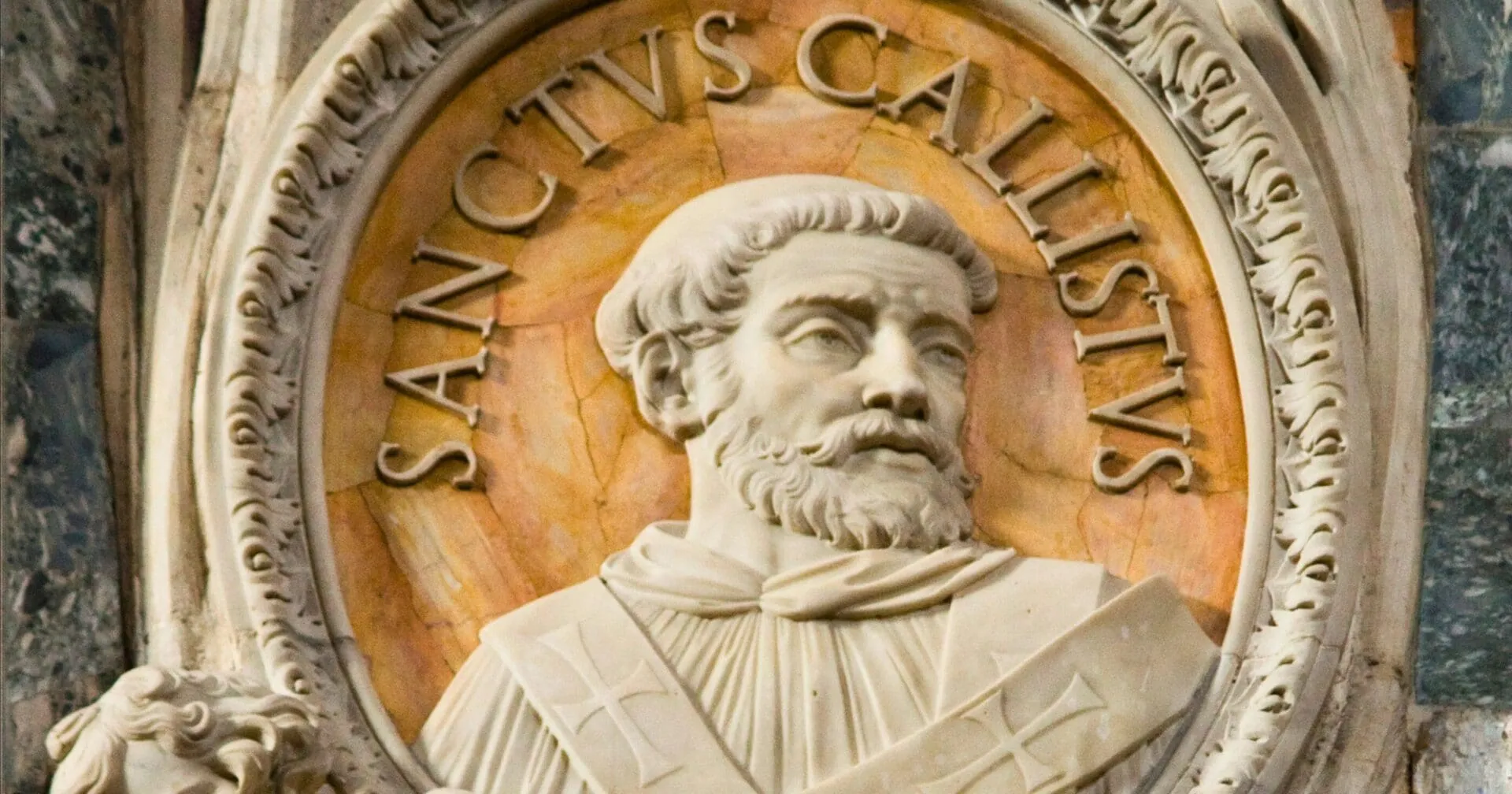
The Catacombs of Callixtus occupy a central place in narratives about early Roman Christianity, especially in relation to ecclesiastical leadership and martyr remembrance. Their historical significance is not merely symbolic; it is tied to how memory was curated, transmitted, and spatially organized in relation to figures considered foundational. Visiting Callixtus helps explain how local devotion and institutional authority intersected long before Christianity became publicly dominant.
The site also invites critical historical reading. Tradition, archaeology, and later interpretation do not always align perfectly, and this tension is part of the intellectual richness of the catacombs. Rather than diminishing the experience, such nuance deepens it: visitors encounter history as a layered conversation across centuries, where reverence and scholarly inquiry can coexist. In this sense, Callixtus remains both a sacred destination and a classroom for understanding how collective memory is built.
Priscilla and the language of sacred art
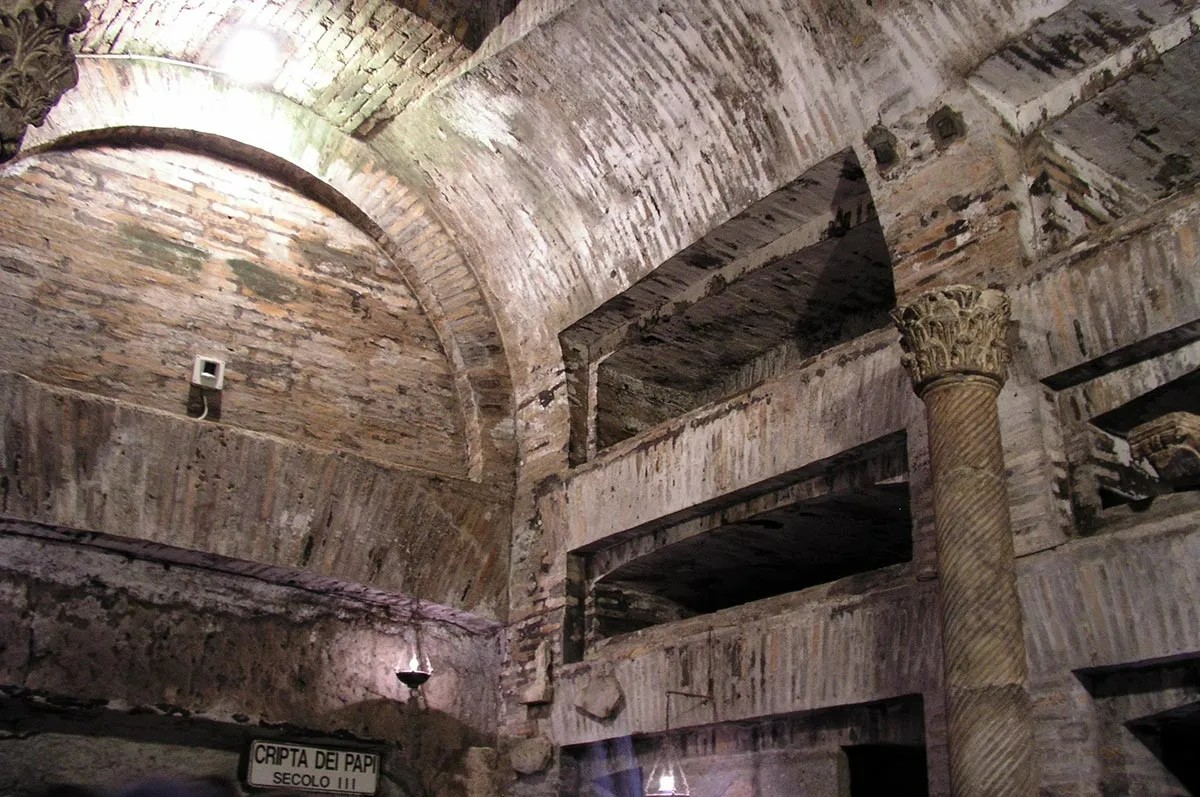
Priscilla stands out for the emotional and pedagogical force of its artistic program. Frescoes, symbolic motifs, and compositional choices communicate more than decoration: they translate doctrine, hope, and communal memory into visual language that could be understood across literacy levels. In these subterranean contexts, art was not secondary to ritual life; it was part of ritual life, shaping how the faithful imagined salvation, intercession, and continuity with the dead.
What many visitors remember most is the immediacy of these images. Even where preservation is partial, the surviving forms feel direct and personal. Faces, gestures, halos, and iconographic shorthand still carry emotional weight. With a skilled guide, each painted fragment becomes a doorway into broader themes: regional exchange, workshop practice, theological evolution, and the role of image-making in constructing Christian identity under changing political conditions.
Burial practices, symbols, and identity
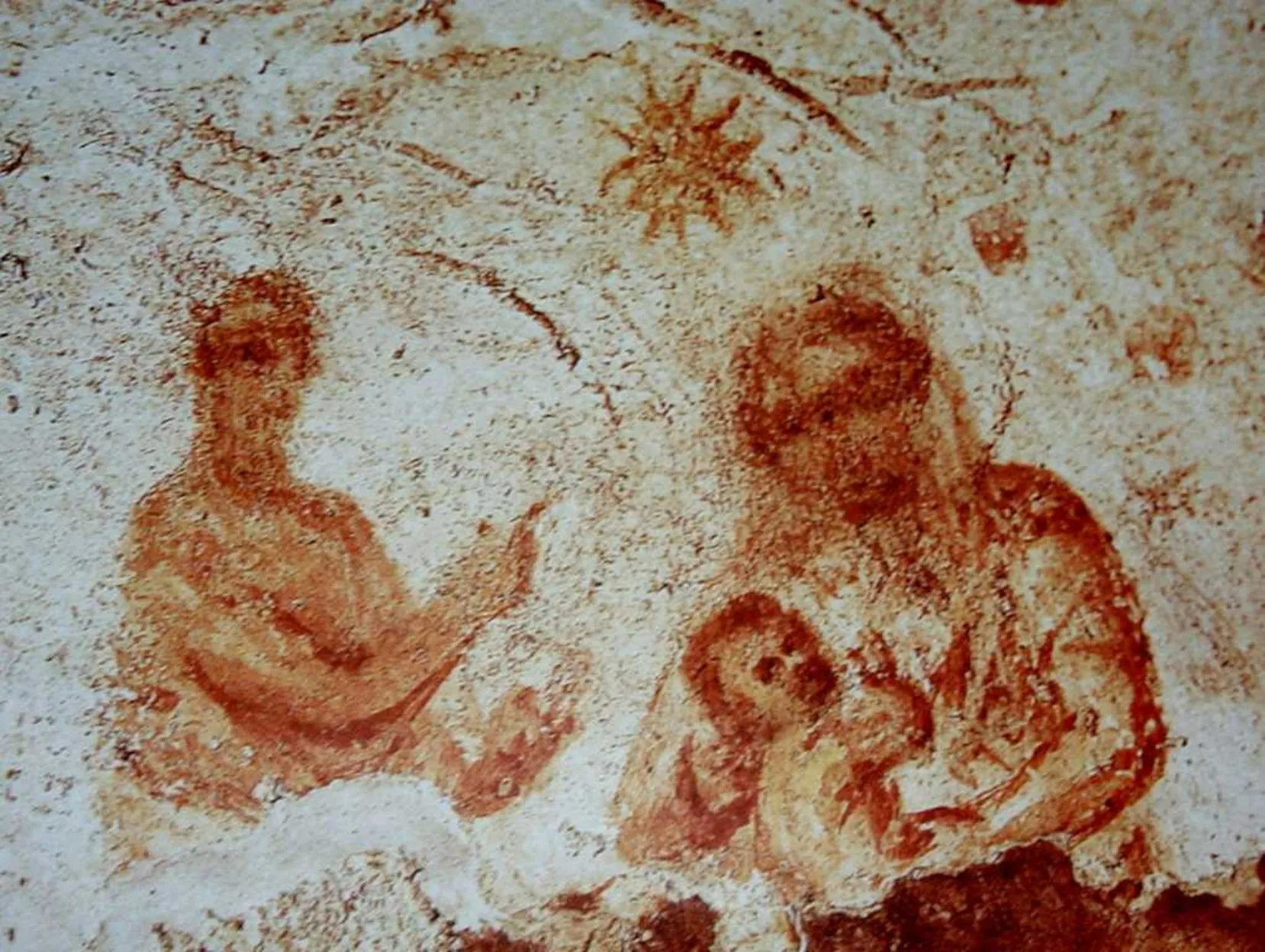
The catacombs preserve a diverse funerary vocabulary: loculi for individual burials, arcosolia for more prominent commemorations, chamber groupings that suggest family or community ties, and inscriptions that blend formula, affection, and theological confidence. This variety reminds us that early Christian communities were socially diverse and internally dynamic. Burial was never only technical; it was relational, doctrinal, and deeply expressive.
Symbols such as fish, anchor, dove, shepherd motifs, and Christograms functioned as compressed narratives. They communicated hope in resurrection, belonging to a shared faith, and continuity between the living and the dead. For modern visitors, learning to read these symbols transforms the experience: walls that first appear repetitive become eloquent records of spiritual imagination and everyday emotional life.
Women, families, and community life underground
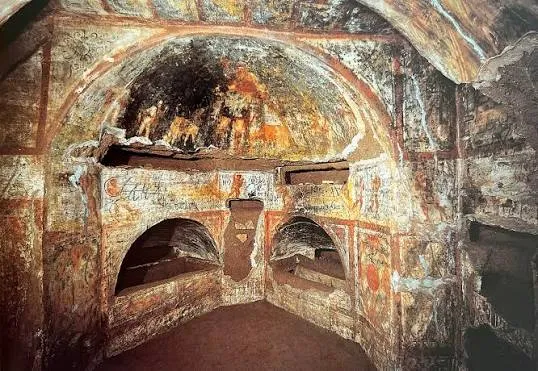
Catacomb evidence reminds us that early Christian history is not only the story of bishops and martyrs. Inscriptions and burial distributions reveal families, widows, children, artisans, patrons, and ordinary believers whose identities were preserved through names, prayers, and symbolic marks. Women in particular appear not merely as passive figures but as active participants in devotional and commemorative culture, sometimes linked to patronage networks that supported burial spaces and ritual continuity.
This social dimension gives catacomb visits an unexpectedly contemporary resonance. Behind every carved niche is a relationship; behind every inscription, a voice reaching across time. Guides who foreground these human stories help visitors see the catacombs not as abstract religious monuments, but as emotional landscapes shaped by kinship, care, and collective memory in moments of loss and hope.
From persecution to public Christianity
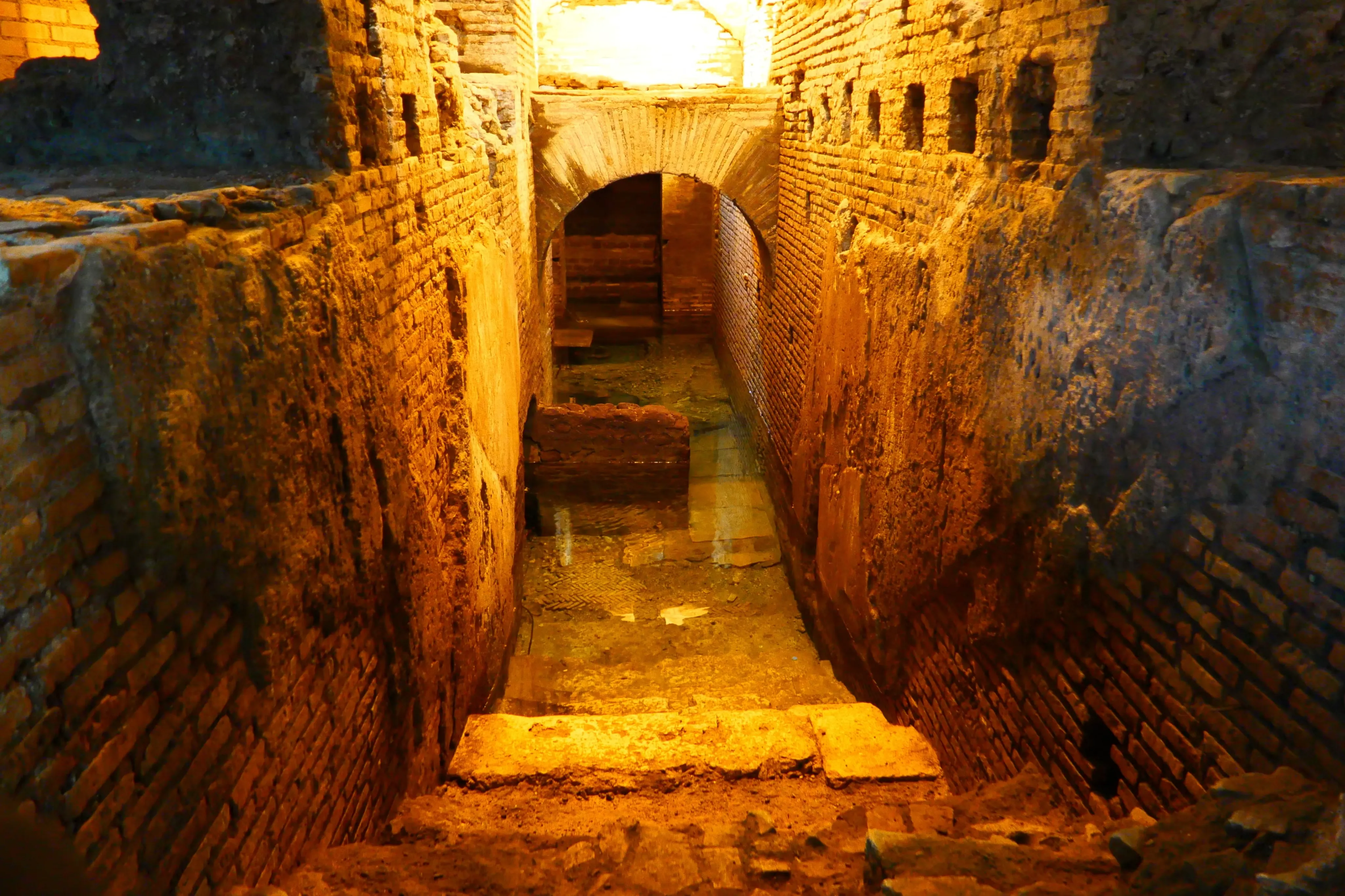
The catacombs developed during centuries marked by legal ambiguity, periodic hostility, and shifting imperial policy toward Christian communities. Yet their long-term evolution also reflects continuity, adaptation, and eventual public recognition after major political-religious transformations. Reading the catacombs historically means resisting dramatic myths in favor of a subtler narrative: communities negotiating identity under pressure while building durable structures of memory.
After Christianity gained wider legitimacy, catacomb spaces did not simply vanish from relevance. Many became sites of pilgrimage, liturgical commemoration, and historical reference, linking emerging public Christianity to earlier generations. This transition from marginal funerary landscape to recognized heritage of faith helps explain why these places remained spiritually and culturally potent long after their primary burial function declined.
Rediscovery, archaeology, and restoration
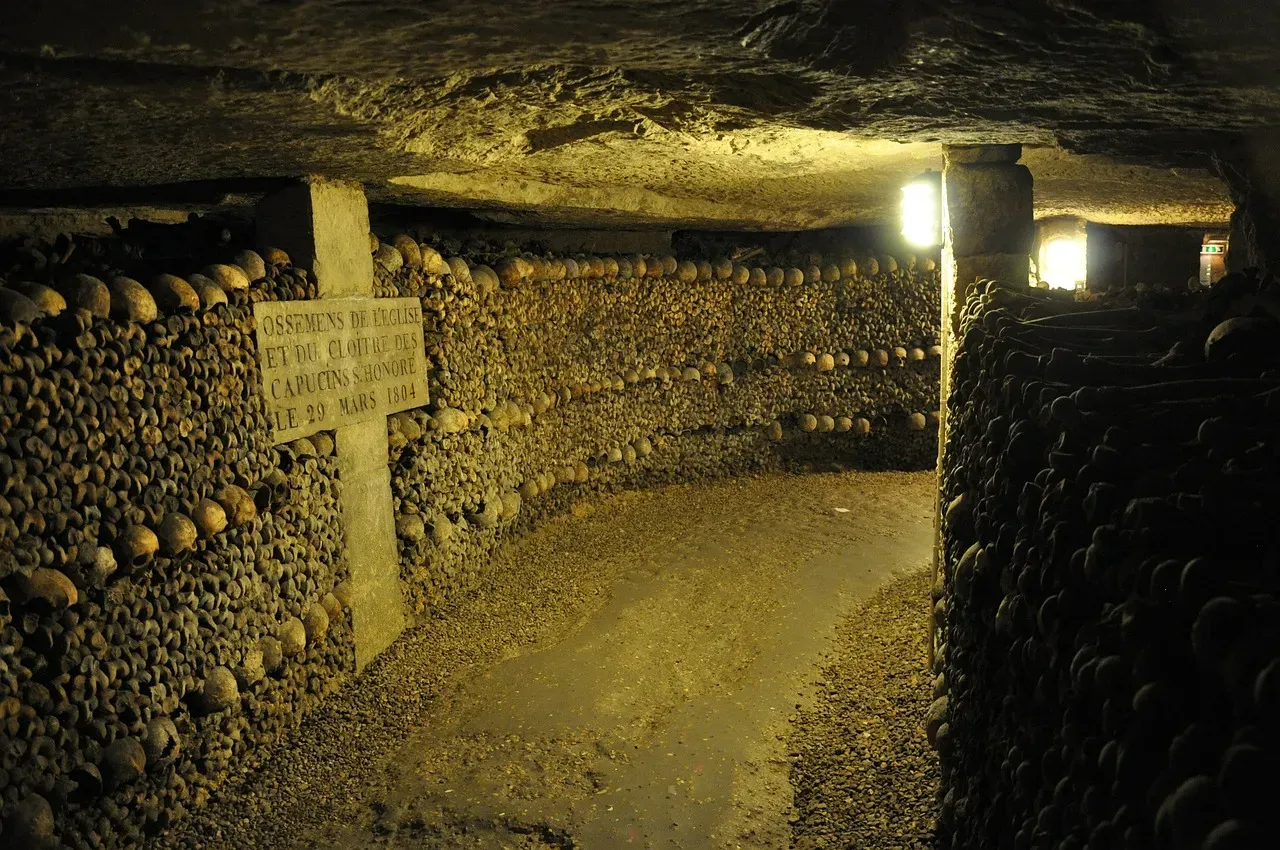
From the modern era onward, catacomb rediscovery involved explorers, clergy, scholars, and conservators working across uneven records and fragile contexts. Early documentation practices varied in quality, and some interventions reflected the methods of their time more than current conservation standards. Even so, this long arc of study laid foundations for today’s more careful approach to mapping, dating, interpretation, and public education.
Contemporary restoration balances visibility with protection. Humidity, airflow, microflora, visitor pressure, and material aging all affect murals, plaster, and structural integrity. Responsible site management therefore includes controlled access, lighting protocols, and periodic closures. Visitors who understand this framework usually experience conservation limits not as inconvenience, but as a shared commitment to preserving irreplaceable heritage.
How to read catacomb imagery today
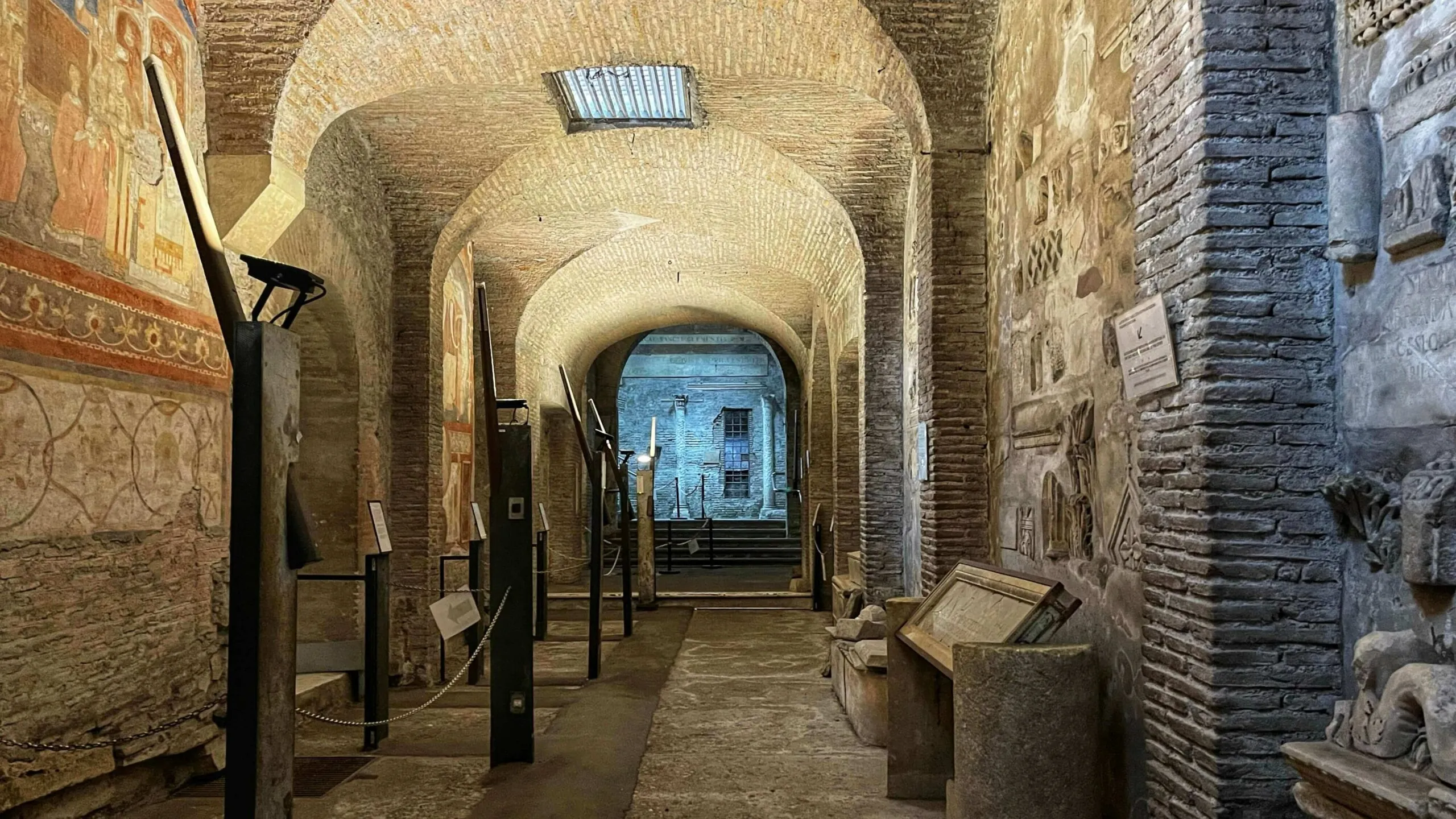
A modern visitor can feel overwhelmed at first: low light, repetitive corridors, and unfamiliar iconography may blur into a single impression. The key is to slow down and focus on recurring visual themes—shepherd figures, orants in prayer, symbolic animals, scriptural allusions, and geometric framing. These elements are not random decoration; they are compact theological statements and emotional anchors designed for communities navigating mortality.
Interpretation also benefits from humility. Not every image has one fixed meaning, and scholarly debates remain active on dating, workshop origin, and contextual intent. A good guide presents both established readings and open questions, turning uncertainty into intellectual curiosity. This approach helps visitors appreciate the catacombs as living fields of study rather than static museum labels.
Visiting with respect and context
Catacombs are heritage sites, archaeological environments, and places of spiritual memory all at once. Respectful behavior therefore matters: follow guide instructions, keep noise low, avoid touching walls, and observe photography rules where restricted. These practices protect both material remains and the reflective atmosphere that many visitors value deeply.
Context matters just as much as etiquette. Approaching the visit with a few historical anchors—timeline, symbolism basics, and site-specific differences—dramatically improves comprehension. The result is a richer emotional and intellectual experience, where the underground journey feels coherent rather than fragmented.
Conservation challenges in living heritage
Conserving catacombs is an ongoing balancing act between access and protection. Increased visitor interest supports public awareness and funding, yet each additional step, breath, and microclimate fluctuation can affect vulnerable surfaces. Managers must continuously calibrate routes, group sizes, exposure times, and restoration cycles to protect authenticity without turning sites into inaccessible archives.
This challenge is intensified by the catacombs’ dual identity as scholarly resource and devotional landscape. Communities of faith, historians, conservators, and travelers often bring different expectations, and responsible governance requires dialogue among all of them. When this balance works, visitors gain meaningful access while future generations inherit sites that remain legible, stable, and spiritually resonant.
Pairing catacombs with nearby landmarks
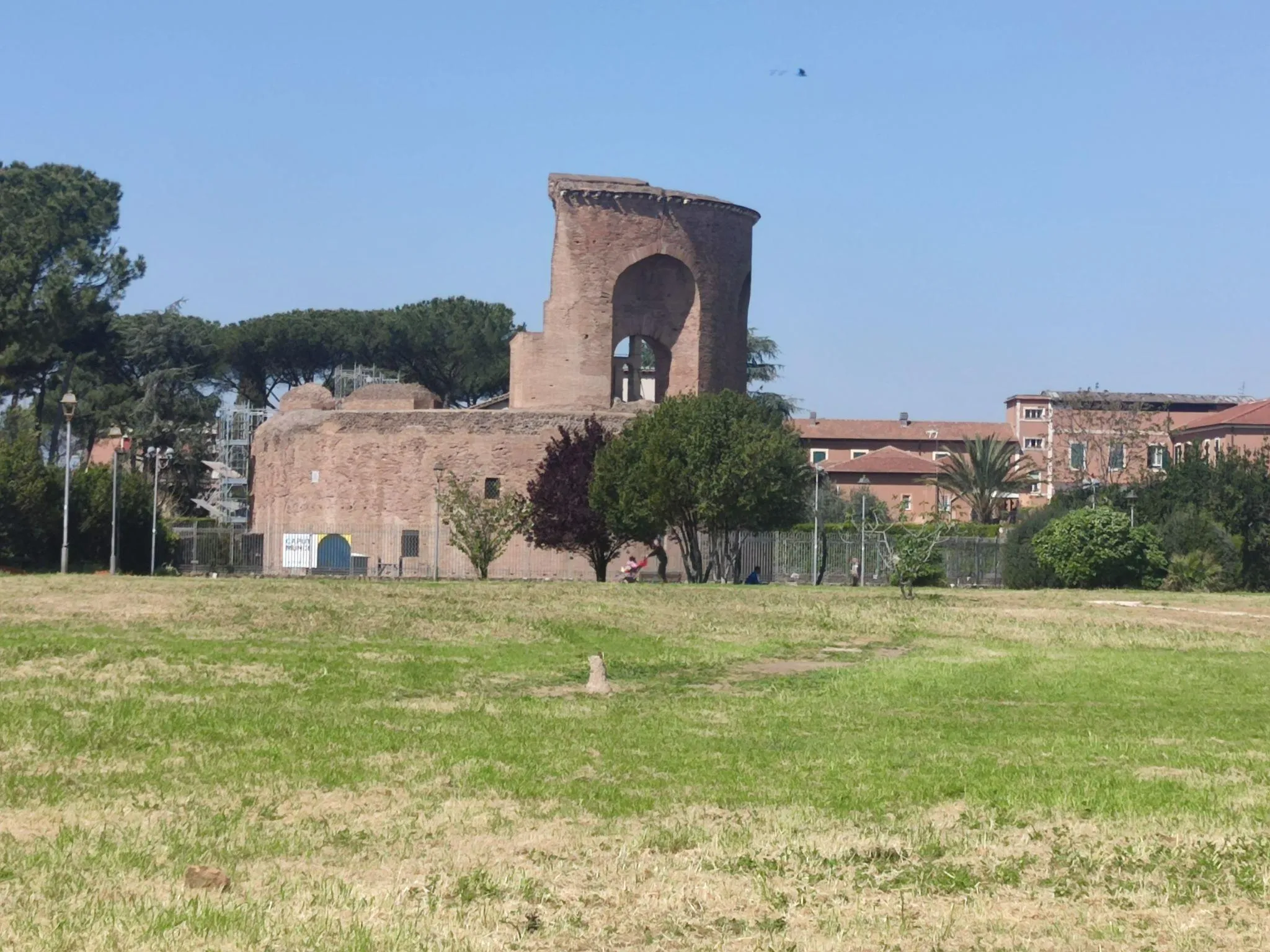
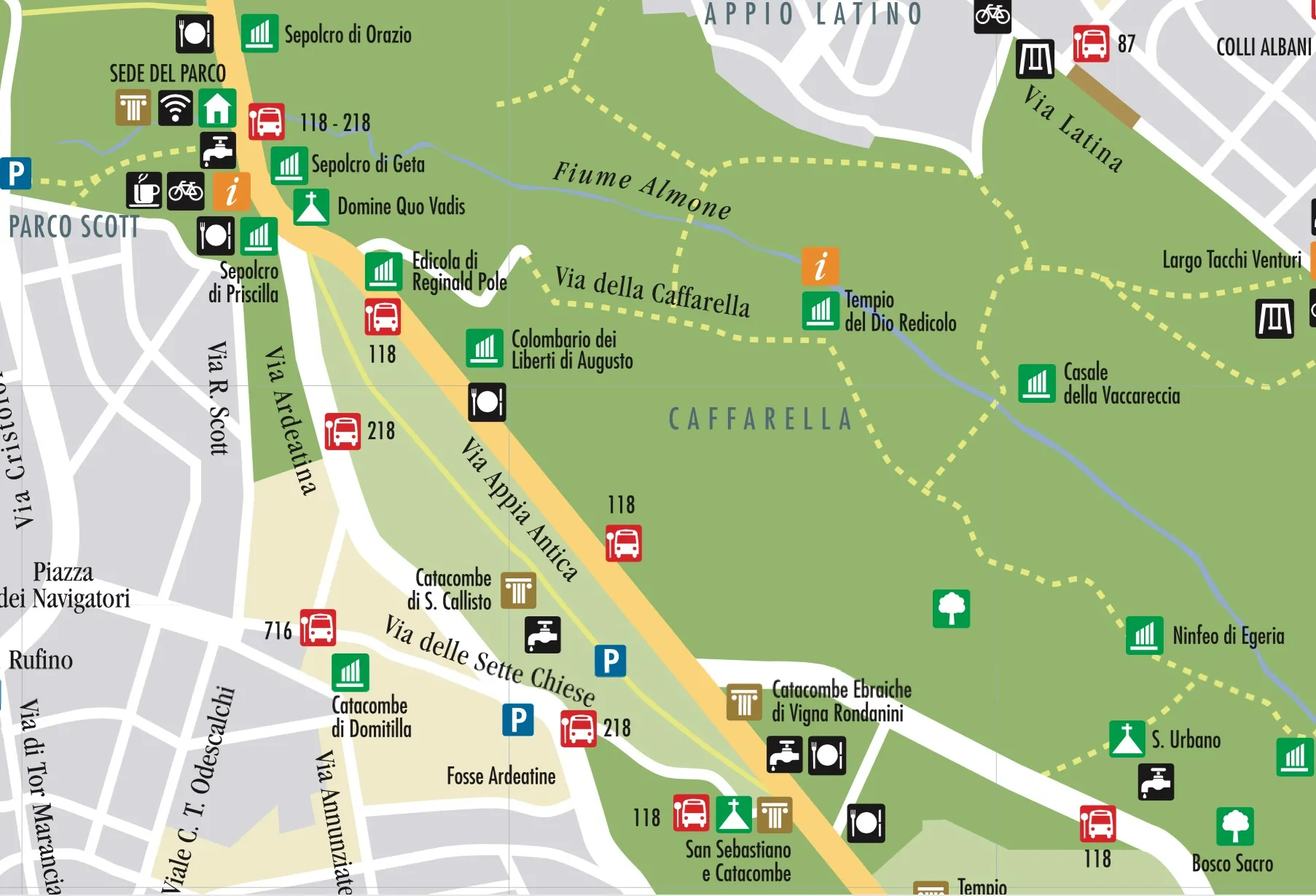
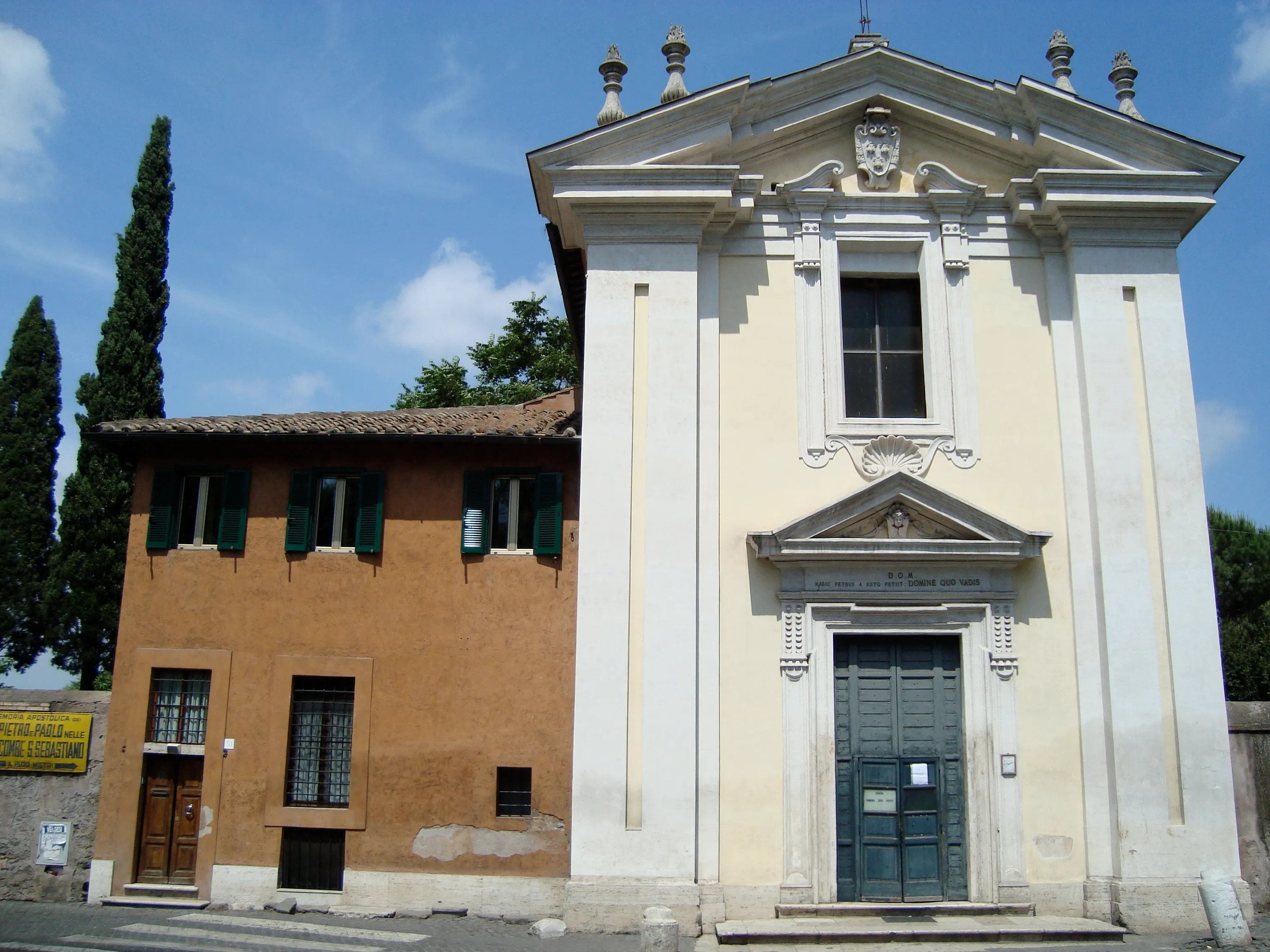
A catacombs itinerary pairs beautifully with above-ground landmarks that extend the same historical conversation. Around the Appian corridor, visitors can connect underground memory spaces with ancient roads, early churches, and archaeological landscapes that contextualize movement, ritual, and burial geography. This layered approach turns a single site visit into a coherent cultural day.
The best combinations leave breathing room. Rather than stacking too many stops, choose two or three meaningful anchors and allow time for transfer, reflection, and quiet observation. In Rome, depth almost always rewards more than speed, especially when the subject is memory and sacred heritage.
Why these underground journeys still matter
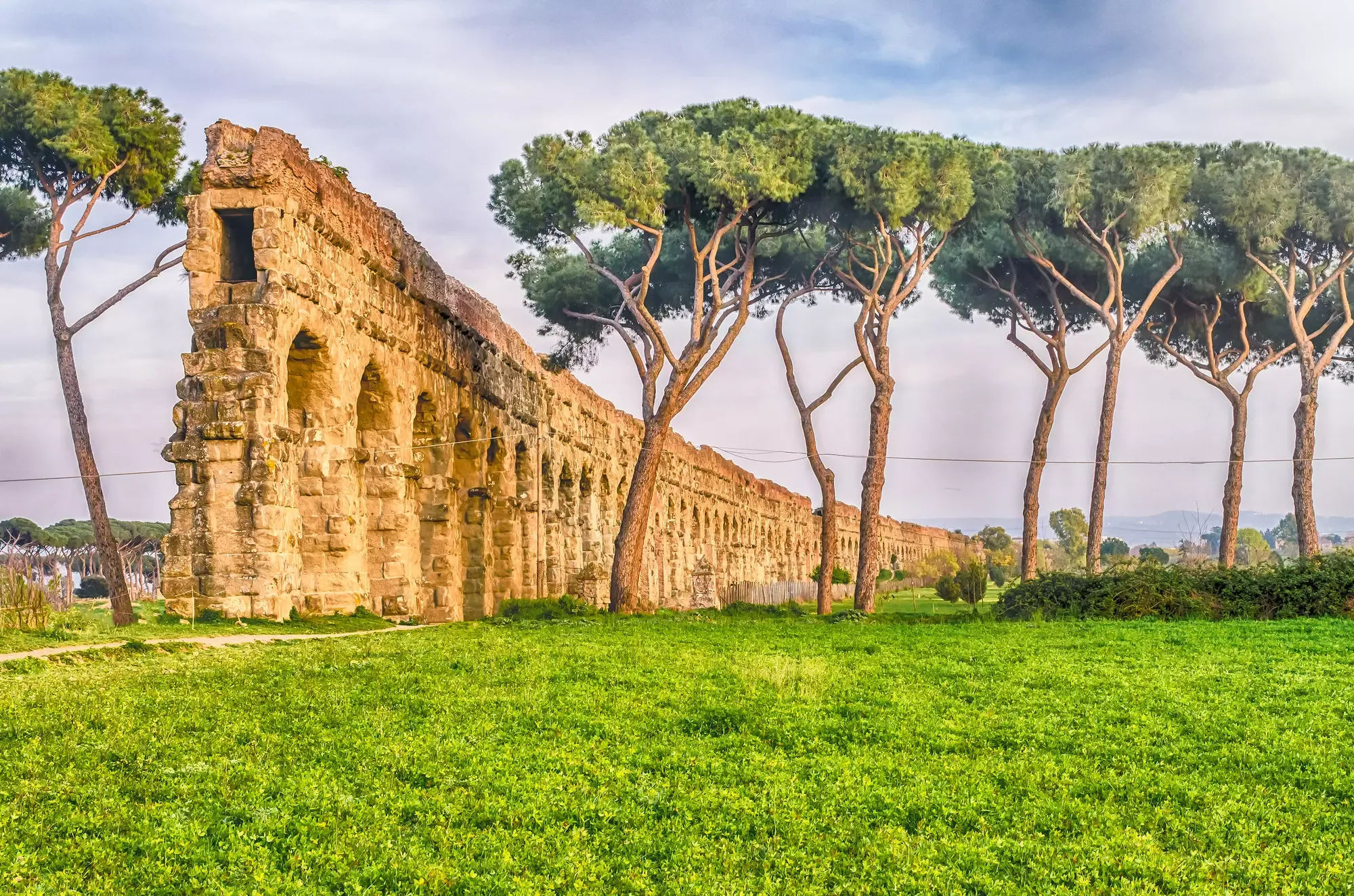
A catacombs visit matters because it reframes Rome. Beyond imperial monuments and baroque grandeur, it reveals a patient history of ordinary communities shaping meaning through ritual, care, and collective remembrance. In Domitilla, Callixtus, and Priscilla, the city speaks in a different register: quieter, humbler, and often more emotionally direct.
By the end of the journey, many visitors carry away more than historical facts. They leave with a sharpened sense of continuity between past and present—between public history and private grief, between art and devotion, between urban growth and human fragility. That is why these sites continue to resonate: they do not simply preserve the past; they invite us to think more deeply about what we choose to remember and why.
Table of Contents
How the Roman catacombs emerged
The Roman catacombs developed gradually between the 2nd and 5th centuries as communities sought organized, dignified burial spaces outside dense urban zones and beyond traditional pagan norms. Rather than a single dramatic founding moment, they grew through practical adaptation: soft tuff rock allowed excavation, family patronage supported expansion, and devotional needs shaped layout over time. What began as funerary infrastructure evolved into a sacred social landscape where memory, ritual, and belonging were carefully inscribed into underground architecture.
It is important to move beyond the simplistic image of catacombs as only secret hideouts. While periods of instability certainly influenced religious life, the catacombs were above all structured communal spaces tied to commemorative practice, identity formation, and pastoral continuity. In these corridors, names, symbols, and spatial hierarchies reveal how early Christians negotiated mortality and hope in a complex imperial world. Visiting today means entering not a legend, but an archive of lived experience that is both fragile and profoundly human.
Domitilla and the architecture of memory
The Catacombs of Domitilla are often admired for scale, but their greatest value lies in how scale is organized. Corridors, chamber clusters, and commemorative zones suggest careful planning over generations, shaped by both practical burial needs and evolving devotional priorities. Here, architecture becomes theology in stone: movement through space mirrors movement through memory, guiding visitors from anonymity to intimacy, from collective identity to personal names and stories carved into the walls.
Domitilla also challenges modern assumptions about uniformity in early Christianity. Different sectors preserve evidence of changing styles, regional influences, and social diversity among the people buried or commemorated there. Some spaces feel austere and functional, others unusually expressive. Together they reveal an underground world that was never static: it expanded, adapted, and absorbed new meanings while remaining anchored in ritual continuity. This layered complexity makes Domitilla essential for anyone interested in how communities materialize belief through built space.
Callixtus, authority, and martyr tradition
The Catacombs of Callixtus occupy a central place in narratives about early Roman Christianity, especially in relation to ecclesiastical leadership and martyr remembrance. Their historical significance is not merely symbolic; it is tied to how memory was curated, transmitted, and spatially organized in relation to figures considered foundational. Visiting Callixtus helps explain how local devotion and institutional authority intersected long before Christianity became publicly dominant.
The site also invites critical historical reading. Tradition, archaeology, and later interpretation do not always align perfectly, and this tension is part of the intellectual richness of the catacombs. Rather than diminishing the experience, such nuance deepens it: visitors encounter history as a layered conversation across centuries, where reverence and scholarly inquiry can coexist. In this sense, Callixtus remains both a sacred destination and a classroom for understanding how collective memory is built.
Priscilla and the language of sacred art
Priscilla stands out for the emotional and pedagogical force of its artistic program. Frescoes, symbolic motifs, and compositional choices communicate more than decoration: they translate doctrine, hope, and communal memory into visual language that could be understood across literacy levels. In these subterranean contexts, art was not secondary to ritual life; it was part of ritual life, shaping how the faithful imagined salvation, intercession, and continuity with the dead.
What many visitors remember most is the immediacy of these images. Even where preservation is partial, the surviving forms feel direct and personal. Faces, gestures, halos, and iconographic shorthand still carry emotional weight. With a skilled guide, each painted fragment becomes a doorway into broader themes: regional exchange, workshop practice, theological evolution, and the role of image-making in constructing Christian identity under changing political conditions.
Burial practices, symbols, and identity
The catacombs preserve a diverse funerary vocabulary: loculi for individual burials, arcosolia for more prominent commemorations, chamber groupings that suggest family or community ties, and inscriptions that blend formula, affection, and theological confidence. This variety reminds us that early Christian communities were socially diverse and internally dynamic. Burial was never only technical; it was relational, doctrinal, and deeply expressive.
Symbols such as fish, anchor, dove, shepherd motifs, and Christograms functioned as compressed narratives. They communicated hope in resurrection, belonging to a shared faith, and continuity between the living and the dead. For modern visitors, learning to read these symbols transforms the experience: walls that first appear repetitive become eloquent records of spiritual imagination and everyday emotional life.
Women, families, and community life underground
Catacomb evidence reminds us that early Christian history is not only the story of bishops and martyrs. Inscriptions and burial distributions reveal families, widows, children, artisans, patrons, and ordinary believers whose identities were preserved through names, prayers, and symbolic marks. Women in particular appear not merely as passive figures but as active participants in devotional and commemorative culture, sometimes linked to patronage networks that supported burial spaces and ritual continuity.
This social dimension gives catacomb visits an unexpectedly contemporary resonance. Behind every carved niche is a relationship; behind every inscription, a voice reaching across time. Guides who foreground these human stories help visitors see the catacombs not as abstract religious monuments, but as emotional landscapes shaped by kinship, care, and collective memory in moments of loss and hope.
From persecution to public Christianity
The catacombs developed during centuries marked by legal ambiguity, periodic hostility, and shifting imperial policy toward Christian communities. Yet their long-term evolution also reflects continuity, adaptation, and eventual public recognition after major political-religious transformations. Reading the catacombs historically means resisting dramatic myths in favor of a subtler narrative: communities negotiating identity under pressure while building durable structures of memory.
After Christianity gained wider legitimacy, catacomb spaces did not simply vanish from relevance. Many became sites of pilgrimage, liturgical commemoration, and historical reference, linking emerging public Christianity to earlier generations. This transition from marginal funerary landscape to recognized heritage of faith helps explain why these places remained spiritually and culturally potent long after their primary burial function declined.
Rediscovery, archaeology, and restoration
From the modern era onward, catacomb rediscovery involved explorers, clergy, scholars, and conservators working across uneven records and fragile contexts. Early documentation practices varied in quality, and some interventions reflected the methods of their time more than current conservation standards. Even so, this long arc of study laid foundations for today’s more careful approach to mapping, dating, interpretation, and public education.
Contemporary restoration balances visibility with protection. Humidity, airflow, microflora, visitor pressure, and material aging all affect murals, plaster, and structural integrity. Responsible site management therefore includes controlled access, lighting protocols, and periodic closures. Visitors who understand this framework usually experience conservation limits not as inconvenience, but as a shared commitment to preserving irreplaceable heritage.
How to read catacomb imagery today
A modern visitor can feel overwhelmed at first: low light, repetitive corridors, and unfamiliar iconography may blur into a single impression. The key is to slow down and focus on recurring visual themes—shepherd figures, orants in prayer, symbolic animals, scriptural allusions, and geometric framing. These elements are not random decoration; they are compact theological statements and emotional anchors designed for communities navigating mortality.
Interpretation also benefits from humility. Not every image has one fixed meaning, and scholarly debates remain active on dating, workshop origin, and contextual intent. A good guide presents both established readings and open questions, turning uncertainty into intellectual curiosity. This approach helps visitors appreciate the catacombs as living fields of study rather than static museum labels.
Visiting with respect and context
Catacombs are heritage sites, archaeological environments, and places of spiritual memory all at once. Respectful behavior therefore matters: follow guide instructions, keep noise low, avoid touching walls, and observe photography rules where restricted. These practices protect both material remains and the reflective atmosphere that many visitors value deeply.
Context matters just as much as etiquette. Approaching the visit with a few historical anchors—timeline, symbolism basics, and site-specific differences—dramatically improves comprehension. The result is a richer emotional and intellectual experience, where the underground journey feels coherent rather than fragmented.
Conservation challenges in living heritage
Conserving catacombs is an ongoing balancing act between access and protection. Increased visitor interest supports public awareness and funding, yet each additional step, breath, and microclimate fluctuation can affect vulnerable surfaces. Managers must continuously calibrate routes, group sizes, exposure times, and restoration cycles to protect authenticity without turning sites into inaccessible archives.
This challenge is intensified by the catacombs’ dual identity as scholarly resource and devotional landscape. Communities of faith, historians, conservators, and travelers often bring different expectations, and responsible governance requires dialogue among all of them. When this balance works, visitors gain meaningful access while future generations inherit sites that remain legible, stable, and spiritually resonant.
Pairing catacombs with nearby landmarks
A catacombs itinerary pairs beautifully with above-ground landmarks that extend the same historical conversation. Around the Appian corridor, visitors can connect underground memory spaces with ancient roads, early churches, and archaeological landscapes that contextualize movement, ritual, and burial geography. This layered approach turns a single site visit into a coherent cultural day.
The best combinations leave breathing room. Rather than stacking too many stops, choose two or three meaningful anchors and allow time for transfer, reflection, and quiet observation. In Rome, depth almost always rewards more than speed, especially when the subject is memory and sacred heritage.
Why these underground journeys still matter
A catacombs visit matters because it reframes Rome. Beyond imperial monuments and baroque grandeur, it reveals a patient history of ordinary communities shaping meaning through ritual, care, and collective remembrance. In Domitilla, Callixtus, and Priscilla, the city speaks in a different register: quieter, humbler, and often more emotionally direct.
By the end of the journey, many visitors carry away more than historical facts. They leave with a sharpened sense of continuity between past and present—between public history and private grief, between art and devotion, between urban growth and human fragility. That is why these sites continue to resonate: they do not simply preserve the past; they invite us to think more deeply about what we choose to remember and why.